Vegetarian Drunken Noodles That Taste Amazing
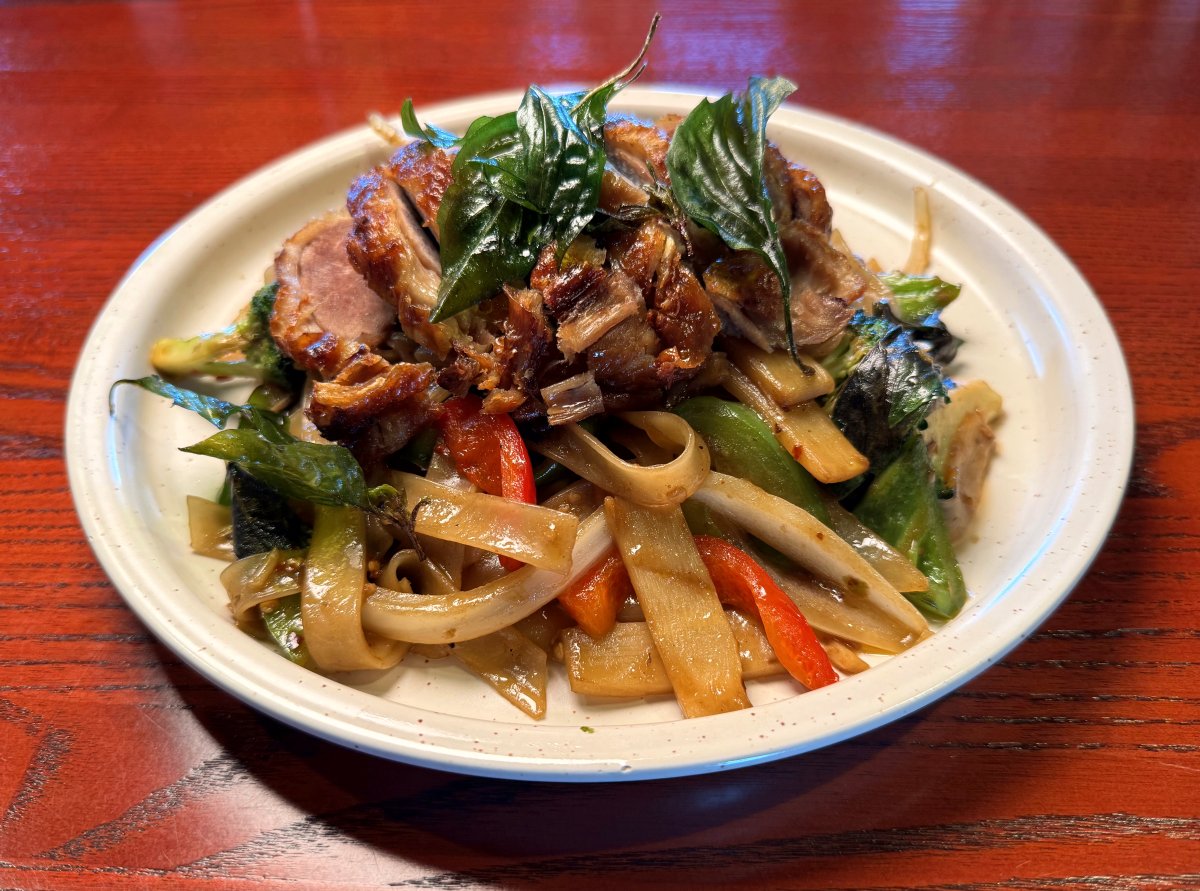

There is a particular kind of disappointment that comes from ordering vegetarian drunken noodles and getting a plate of limp rice noodles, sweet soy sauce, and a few tired broccoli florets. The name promises swagger. The dish should arrive glossy, hot, spicy, and fragrant with Thai basil. It should have chew, smoke, and enough savory depth to make you pause after the first bite. Too often, the meatless version feels like an afterthought.
It does not have to be that way.
A strong plate of vegetarian Drunken Noodles can be every bit as satisfying as the classic version, sometimes even better. The trick is understanding what gives pad kee mao its character in the first place. It is not simply heat. It is not just soy sauce. The dish works because several bold elements collide at once: wide noodles with real texture, high-heat cooking, a sauce that balances salty and slightly sweet notes, plenty of aromatics, and the unmistakable perfume of Thai basil right at the end. When those pieces are handled with care, vegetables and tofu stop feeling like substitutions and start tasting like the point.
What makes drunken noodles taste like drunken noodles
Despite the playful name, drunken noodles are not defined by alcohol. The dish gets its identity from intensity. In most restaurant kitchens, that intensity comes from a very hot wok, fresh chilies, garlic, broad rice noodles, and a dark, savory sauce that clings to the noodles without drowning them. The basil is not optional window dressing. It changes the whole aroma of the dish and gives it that slightly peppery, almost licorice-like lift that keeps the richness from feeling heavy.
For a vegetarian version, the main challenge is replacing the savoriness that often comes from fish sauce or oyster sauce. This is where a lot of home cooks either overcomplicate things or settle for blandness. You do not need ten specialty bottles. You do need a thoughtful combination of soy sauce, dark soy sauce if you have it, a little vegetarian mushroom sauce or stir-fry sauce, and enough caramelization in the pan to build flavor naturally. If you use tofu, it must be cooked as an ingredient, not merely warmed through. Properly browned tofu contributes roasted notes and structure. Soft, pale tofu simply vanishes into the background.
The noodles matter just as much. Fresh wide rice noodles are ideal, and when they are handled well they give the dish its signature chew. Dried rice noodles can still produce an excellent result, but they require restraint. Over-soak them and they turn fragile. Under-soak them and they stay stiff in the center. In practice, the sweet spot is usually a little firmer than you think. They should soften more in the wok.
The version worth making at home
The best home-cooked vegetarian Drunken Noodles are not exact replicas of what comes off a restaurant wok burner. Most home stoves simply cannot deliver that same brutal heat. What you can do, though, is work in smaller batches and make each ingredient count. The result can be deeply flavorful, with charred edges, springy noodles, and basil that still smells fresh.
A good home version also benefits from a little judgment instead of blind recipe-following. If your bell peppers are watery, cook them a minute longer before adding the noodles. If your noodles are clumping, separate them with a splash of water before they hit the pan. If your sauce tastes harsh on its own, do not panic. Stir-fry sauces often taste too concentrated in the bowl and mellow once they coat the noodles.
I have made vegetarian Drunken Noodles with tofu, seared mushrooms, fried eggs, and combinations of all three. The best batch for most people is usually tofu plus mushrooms. Tofu gives body. Mushrooms bring glutamates and a meaty chew. Oyster mushrooms are excellent because their edges crisp beautifully, but shiitakes and creminis are easier to find and still work well. Eggplant can be wonderful too, though it drinks oil fast and needs careful cooking.
The ingredients that pull real weight
If you are standing in your kitchen deciding where to focus, prioritize the noodles, basil, chilies, and the sauce balance. Fancy garnishes do not matter here. What matters is whether every forkful tastes alive.
Use this ingredient framework rather than treating it like a rigid law:
- Wide rice noodles, fresh if possible, dried if necessary
- Firm or extra-firm tofu, plus mushrooms for extra savoriness
- Garlic, fresh chilies, onion, and a vegetable like Chinese broccoli, broccolini, or bell pepper
- Soy sauce, dark soy sauce, and a vegetarian stir-fry sauce such as mushroom sauce
- Thai basil, or regular basil in a pinch
A few notes from actual stove-side experience help more than a long shopping list. Fresh rice noodles often come folded and slightly stuck together. Separate them gently with your fingers. If they resist, a quick microwave burst of 10 to 15 seconds can loosen them. Dried noodles should be soaked or boiled only until just flexible. If they are fully soft before stir-frying, they usually break apart once the sauce goes in.
For tofu, pressing helps, but you do not need to wrap it under textbooks for an hour. Fifteen to twenty minutes between towels is enough to remove excess moisture. Then cut it into slabs or triangles instead of tiny cubes. Larger pieces brown more evenly and are less likely to crumble when tossed with noodles.
The sauce is where most vegetarian versions go wrong
A lot of recipes lean too sweet, often because they are trying to compensate for missing fish sauce or wok char. The result tastes generic, more like sweet soy noodles than proper Drunken Noodles. The better approach is a sauce that tastes boldly savory first, with sweetness playing support.
A reliable starting point for about two generous servings is roughly two tablespoons light soy sauce, one tablespoon dark soy sauce, one to one and a half tablespoons vegetarian mushroom sauce, one teaspoon sugar, and a small splash of water. Some cooks add a little vegetarian oyster sauce, which works well if you like a slightly thicker glaze. You can also add white pepper for a subtle background heat. I do not usually add lime juice to the sauce itself because the acidity can distract from the basil, but a squeeze at the table can be nice if the dish feels heavy.
Taste the sauce before cooking and ask a practical question: does it taste a little stronger than I would want to eat with a spoon? It should. Once spread across noodles and vegetables, that concentration becomes balance.
If you keep a pantry with fermented bean sauces or mushroom seasoning powder, you can use a pinch, but this is optional. There is no reason a weeknight version needs to turn into a scavenger hunt.
Heat, timing, and the difference between good and flat
The biggest gap between average and excellent Drunken Noodles is usually not the ingredient list. It is timing.
This is a fast dish. Once the pan is hot, things move in minutes, and if you pause to chop garlic or hunt for a bottle in the fridge, the noodles overcook while you scramble. Set everything out first. Sauce mixed. Basil washed. Noodles loosened. Tofu browned or at least ready to brown. Vegetables cut. This kind of setup sounds fussy until you make the dish once. Then it becomes obvious why restaurant cooks insist on it.
There is also a temptation to crowd the pan because home cooks want fewer dishes and faster cleanup. Unfortunately, a packed skillet steams ingredients instead of searing them. If you are cooking for more than two people, it is often better to make two smaller batches. The second batch goes faster anyway because you are already in rhythm.
When the aromatics hit the oil, you want immediate fragrance, not slow sweating. Garlic should sizzle right away. Chilies should smell sharp and bright. Onions should blister at the edges. If your pan is not hot enough for that, wait another minute.
A method that actually works on a home stove
This is the approach I use when I want consistent results without pretending my burner is a commercial wok station:
- Brown the tofu in a hot skillet or wok with enough oil to coat the pan, then remove it once the edges are golden.
- Sear the mushrooms and sturdier vegetables until they lose moisture and pick up color, then add onion, garlic, and chilies.
- Add the noodles and sauce together, tossing quickly so the noodles loosen, absorb the sauce, and char in spots rather than stew.
- Return the tofu, add tender greens if using, and toss just until everything is coated and heated through.
- Turn off the heat and fold in a large handful of Thai basil so it wilts from residual heat instead of cooking into oblivion.
That final move with the basil matters more than it seems. Basil cooked too long goes dull and muddy. Added at the end, it perfumes the entire dish.
If the noodles stick a little at first, do not jab at them frantically. Let the heat do its work, then toss with tongs or two spatulas. A tablespoon or two of water can help if the sauce tightens too quickly, especially with dried noodles. What you do not want is a watery pan. Drunken Noodles should look glossy and concentrated, not soupy.
Choosing the right vegetables, and when restraint helps
Vegetarian stir-fries often suffer from overpopulation. A little of everything sounds generous, but too many vegetables make the dish taste scattered. Drunken Noodles are best when the vegetable choices are deliberate.
Chinese broccoli is the traditional favorite for good reason. The stems stay crisp, the leaves catch sauce, and its faint bitterness plays well against sweet soy. If you cannot find it, broccolini is an easy substitute. Bell peppers add color and sweetness, though they can push the dish toward a softer, sweeter profile if used heavily. Green beans work surprisingly well because they stay snappy. Onion is nearly always useful. Baby corn, carrots, and snow peas are not wrong, but they start steering the dish toward a generic mixed vegetable stir-fry.
Mushrooms deserve special attention because they solve several vegetarian problems at once. They bring umami, chew, and browning. If I am cooking for someone skeptical of tofu, I often increase the mushroom quantity rather than trying to force another protein into the dish. A pan full of well-seared mushrooms tastes grounded and satisfying in a way that extra bell peppers never will.
Egg can also play a role, especially if you eat it and want more richness. A quick scramble in the pan before the noodles go in adds softness and savory depth. It is not necessary, but it can make the dish feel more complete.
Common mistakes, and how to correct them mid-cook
One reason people give up on noodle stir-fries is that a batch can go sideways fast. The good news is most problems are fixable if you catch them early.
If the dish tastes bland, the usual culprit is not enough sauce or not enough heat. You can correct this with a spoonful more soy-based sauce, but let it fry briefly in the pan rather than pouring it over at the end. If the flavor tastes muddy instead of vibrant, you likely overcooked the basil or garlic, or let the vegetables steam too long. Next time, use higher heat and add basil later.
If the noodles are breaking, they were probably over-soaked or stirred too aggressively. Use firmer noodles next time and toss more than you stir. If everything is sticking into one heavy clump, the noodles may have been too cold, too dry, or too compressed when they hit the pan. Loosen them by hand beforehand. Fresh noodles especially need that attention.
The too-salty scenario is also common, especially when dark soy and mushroom sauces pile up. If that happens, add more noodles or vegetables if you have them, or a small splash of water to spread the seasoning more evenly. Sugar can soften edges, but do not use it as a crutch. Better to dilute than to sweeten indiscriminately.
How spicy should it be?
There is no moral virtue in making Drunken Noodles punishingly hot. The goal is a lively burn that complements the basil and savory sauce, not a dish that numbs your mouth before you can taste anything else.
Fresh Thai chilies deliver the most classic profile, bright and immediate. Serranos work well too. Jalapeños are milder and greener tasting, but still usable if that is what you have. Dried chili flakes can stand in, though they create a different kind of heat and do not perfume the oil the same way.
For a balanced two-serving batch, two to four small hot chilies is a sensible place to start, depending on their size and your tolerance. Restaurants often go far beyond that, but home cooking benefits from moderation. You can always add chili vinegar, sliced fresh chili, or chili crisp at the table. You cannot remove heat once it saturates the whole pan.
Making it weeknight-friendly without sacrificing character
This dish is surprisingly realistic for a weeknight if you prep with intent. The longest part is usually pressing and browning the tofu. If time is tight, press the tofu while you prep everything else. You can also cook the tofu ahead and refrigerate it for a day or two, which actually improves its texture because it firms up as it cools.
Sauce can be mixed in advance. Vegetables can be sliced in the morning. Basil should wait until the last minute if possible, but even that takes only a moment. Once everything is ready, the actual stir-fry can be on the table in 10 to 12 minutes.
Leftovers are decent, though this is one of those dishes that is undeniably best fresh. The basil fades overnight and the noodles absorb sauce as they sit. If I know I am cooking extra, I purposely keep the first batch slightly less sauced. That way the leftovers have a better chance the next day after a quick reheat in a skillet with a teaspoon of water.
https://rylanhsbo455.stonefielddigest.com/posts/drunken-noodles-with-broccoli-peppers-and-basilServing it well
Vegetarian Drunken Noodles do not need much on the side. The plate is meant to be full-flavored and complete on its own. A simple cucumber salad can be useful if you like a cooling contrast. So can plain lime wedges. Beyond that, restraint is your friend.
What you want when serving is visual and aromatic confidence. The noodles should be bronzed in places, not pale. The basil should still look green and loose, not blackened and collapsed. Tofu should have edges. Mushrooms should look seared, not wet. When all of those details come together, nobody at the table is thinking about what the dish does not contain.
Why this version satisfies even committed meat-eaters
The best vegetarian cooking does not apologize. It does not frame itself as a compromise or rely on imitation for legitimacy. Drunken Noodles are a perfect example. When the noodles have proper chew, the basil is generous, the sauce has depth, and the pan work creates a little char, the dish feels complete. Tofu and mushrooms are not placeholders in that context. They are excellent ingredients doing exactly what they should.
I have served vegetarian Drunken Noodles to people who usually order chicken, beef, or shrimp without thinking twice. The reactions are almost always the same. First, surprise that the dish tastes so robust. Then silence for a few minutes while everyone eats. That is usually the clearest sign you got it right.
The goal is not to mimic every note of the traditional versions that use fish sauce or oyster sauce. The goal is to preserve the soul of the dish, hot, savory, aromatic, slightly wild, and deeply comforting, while building flavor in a way that makes sense for a vegetarian kitchen. Once you understand that, the recipe stops feeling fragile. You can swap broccolini for Chinese broccoli, use shiitakes instead of oyster mushrooms, turn the heat up or down, even add eggplant if you know how to manage its appetite for oil. The core remains.
And that core is what makes Vegetarian Drunken Noodles worth craving, not just settling for.
Nakhon Luang Thai Kitchen
Address: 805 Village Center Dr, Colorado Springs, CO 80919
Phone number: +17195315175
FAQ About Drunken Noodles
What makes it drunken noodles?
Drunken noodles, or Pad Kee Mao, get their name from the Thai word khi mao (meaning "drunkard"). They contain no alcohol. The name comes from the idea that the dish is a popular late-night meal to cure a hangover or a great food to eat with a cold beer.
What is the difference between pad see ew and drunken noodles?
While both Pad See Ew and Drunken Noodles use the same wide rice noodles, Pad See Ew is a mild, sweet-savory dish made with dark soy sauce and Chinese broccoli, whereas Drunken Noodles (Pad Kee Mao) are fiery, garlicky, and herbaceous with fresh chilies and Thai basil.
What are traditional drunken noodles?
Traditional drunken noodles, known as Pad Kee Mao in Thai, are a fiery, savory street food stir-fry made with wide flat rice noodles, fresh garlic, lots of hot chilies, meat or tofu, and fragrant holy basil. Despite the name, they contain no alcohol; the dish is traditionally eaten late at night or as a hangover cure because the intense spice helps clear the head.